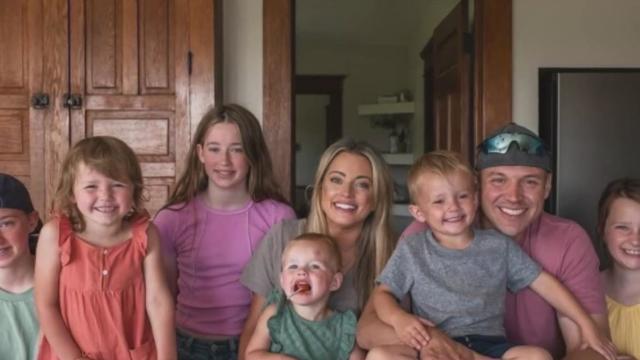
Fenton family of seven rebuilds after devastating fire
The Rowes just moved out of a temporary trailer and into their new home, where all the kids have their own bedrooms for the time.
Watch CBS News

On Your Block. Around the Clock.
The Rowes just moved out of a temporary trailer and into their new home, where all the kids have their own bedrooms for the time.

Michigan State is breaking in a new football coach and quarterback this year.

Detroit Lions unveiled new uniforms on Thursday, including a black alternate uniform. The unveiling comes hours after they were leaked on social media.
An appeals court dismissed charges against a Michigan election worker who put a flash drive into an electronic poll book and downloaded the names of voters in 2022.

The man plans to use his winnings to take care of his kids and take a vacation.

The Wolverines had a record 18 players at the combine, giving them a chance to be the first school with at least 16 prospects picked in one NFL draft.

The MY 2024 Cybertrucks have faulty accelerator pedals that may be dislodged when high force is applied, the company said.

Starbucks unveiled the new cups ahead of Earth Day and as a new report warns plastic production emissions are even greater than those from aviation.

In response, one House Democrat said she is surprised to continue having these conversations.





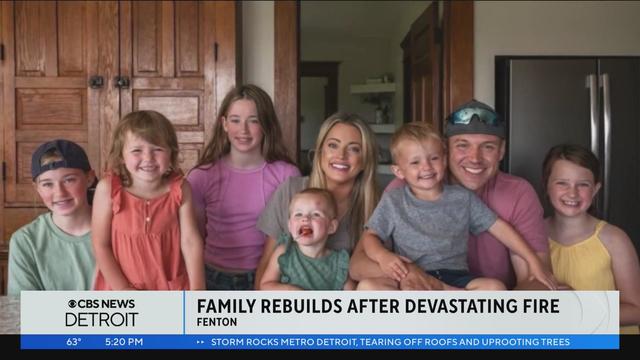
On March 13, 2023, AJ and Lindsay Rowe woke up at 3 a.m. to realize their home was filled with flames and smoke. The couple began the frantic search for six of their seven children who were home and called 911.
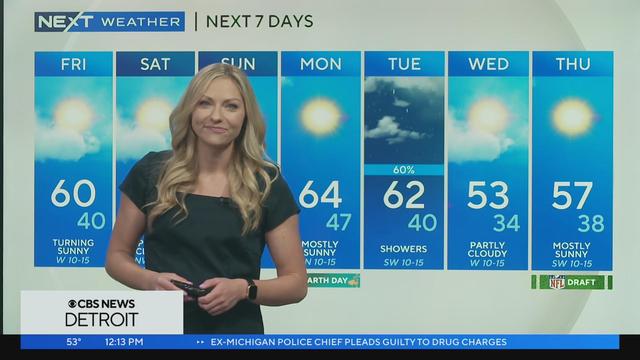
Smooth-sailing weather today through the weekend. Meteorologist Kylee Miller has your weekend outlook.
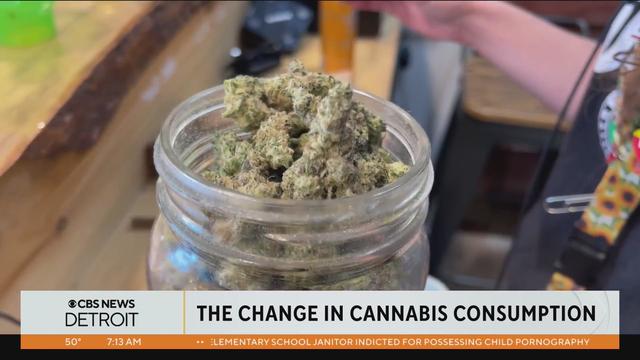
Ahead of the unofficial cannabis holiday "4/20," Jerry Millen of Greenhouse in Walled Lake shares more on the change in cannabis consumption.

We're celebrating Foodie Friday with J. Alexander's, which has locations in Livonia, Troy and West Bloomfield.

Former WWE and WCW superstars Steve Luther Wilson, Tonga ʻUliʻuli Fifita and “Glacier” Ray Lloyd talk about their new movie "The Unbreakable Bunch" and the film's showing at the Emagine Canton this weekend.

Michael Bickers, Regional President of PNC Southeast Michigan/Detroit, and Eric Poe, CEO of CURE Auto Insurance, appeared on CBS Detroit's Michigan Matters.

Businesses across Michigan are feeling optimistic about the future after weathering the historic 100-year health pandemic that impacted every company in one way or another.

"Ultimately we think this is a better approach that reflects the evolution of the business," Netflix Co-CEO Greg Peters said on an earnings call.

Anticipation was growing at a fever pitch before Taylor Swift's latest album, "The Tortured Poets Department," dropped at midnight EDT. But it turned out it's actually a double album.

Guitar legend Dickey Betts, who co-founded the Allman Brothers Band and wrote their biggest hit, "Ramblin' Man," has died.
Michigan State is breaking in a new football coach and quarterback this year.
The Wolverines had a record 18 players at the combine, giving them a chance to be the first school with at least 16 prospects picked in one NFL draft.
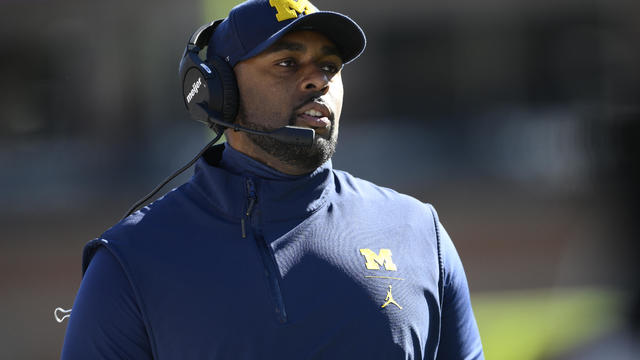
Sherrone Moore will have a lot of big decisions to make in his first season as Michigan's coach, leading the defending national champions after Jim Harbaugh bolted to coach the Los Angeles Chargers.
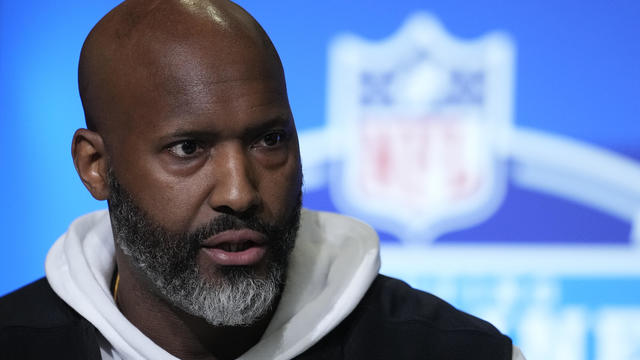
The NFL draft is coming to Detroit and for a change, the Lions are coming off a successful season and have appeared to address every need with seemingly sound moves.
Detroit Lions unveiled new uniforms on Thursday, including a black alternate uniform. The unveiling comes hours after they were leaked on social media.
The Rowes just moved out of a temporary trailer and into their new home, where all the kids have their own bedrooms for the time.
Michigan State is breaking in a new football coach and quarterback this year.
Detroit Lions unveiled new uniforms on Thursday, including a black alternate uniform. The unveiling comes hours after they were leaked on social media.
An appeals court dismissed charges against a Michigan election worker who put a flash drive into an electronic poll book and downloaded the names of voters in 2022.
The man plans to use his winnings to take care of his kids and take a vacation.
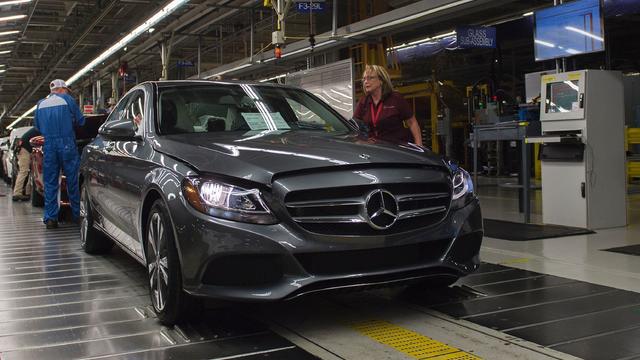
Workers at Mercedes-Benz factories near Tuscaloosa, Alabama, will vote next month on whether they want to be represented by the United Auto Workers union.
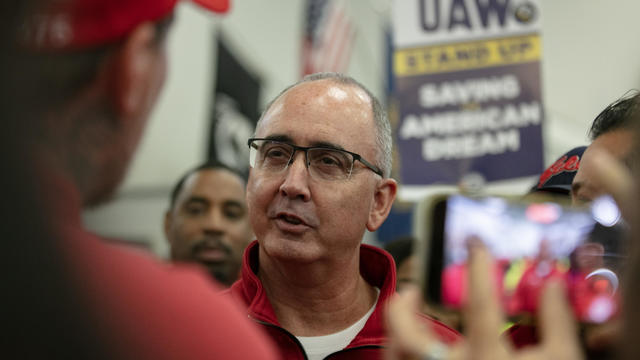
After leading the United Auto Workers on its historic strike against the Detroit Three automakers, Shawn Fain has been named on Time's list of the most influential people of 2024.

General Motors and real estate firm Bedrock announced Monday the automaker's headquarters will move to the Hudson's Detroit development in downtown Detroit from the Renaissance Center.
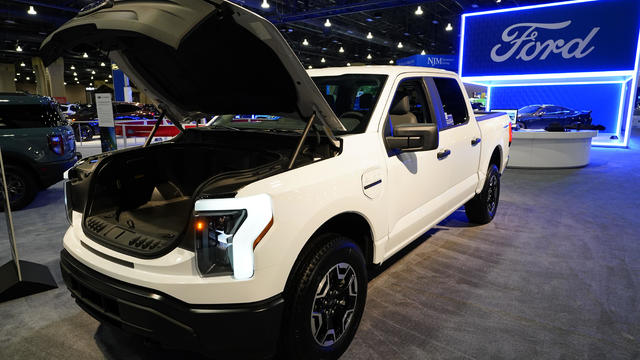
With U.S. electric vehicle sales starting to slow, Ford Motor Co. says it will delay rolling out new electric pickup trucks and a new large electric SUV as it adds gas-electric hybrids to its model lineup.
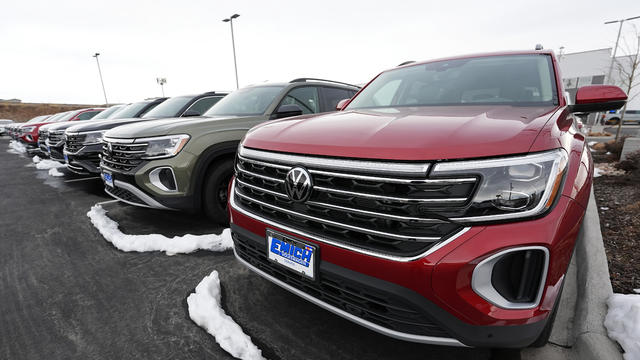
New vehicle sales in the U.S. rose nearly 5% from January through March, as buyers stayed in the market despite high interest rates.
"Ultimately we think this is a better approach that reflects the evolution of the business," Netflix Co-CEO Greg Peters said on an earnings call.
Anticipation was growing at a fever pitch before Taylor Swift's latest album, "The Tortured Poets Department," dropped at midnight EDT. But it turned out it's actually a double album.
Guitar legend Dickey Betts, who co-founded the Allman Brothers Band and wrote their biggest hit, "Ramblin' Man," has died.

Charli XCX and Troye Sivan are teaming up to co-headline an arena tour across North America, which will kick off here in Detroit.
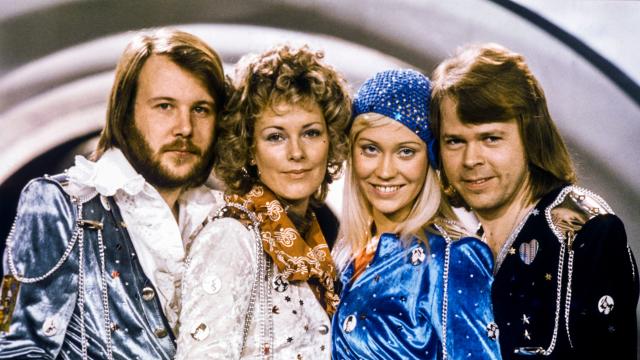
ABBA, Blondie and The Notorious B.I.G. are entering America's audio canon.
The Wolverines had a record 18 players at the combine, giving them a chance to be the first school with at least 16 prospects picked in one NFL draft.
The MY 2024 Cybertrucks have faulty accelerator pedals that may be dislodged when high force is applied, the company said.
Starbucks unveiled the new cups ahead of Earth Day and as a new report warns plastic production emissions are even greater than those from aviation.

A disappearing lizard population in the mountains of Arizona shows how climate change is fast-tracking the rate of extinction.
"Ultimately we think this is a better approach that reflects the evolution of the business," Netflix Co-CEO Greg Peters said on an earnings call.

Health officials are warning consumers not to consume Infinite Herbs basil sold at some Trader Joe's and Dierberg's stores after 12 people were sickened.

Organic option is best when buying certain produce, especially blueberries, nonprofit group says in analysis of chemical residues.

MDARD officials say the virus, which was first detected in Michigan in 2022, was found in Newaygo County, making it the seventh flock in the state in the last two years.

The $872 million most likely excludes any amount UnitedHealth may have paid to hackers in ransom.
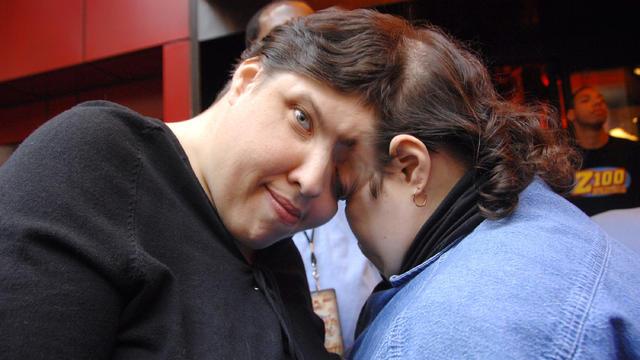
George Schappell and sister Lori, of Reading, Pa., were the world's oldest conjoined twins, according to the Guinness Book of World Records.
Michigan State is breaking in a new football coach and quarterback this year.
The Wolverines had a record 18 players at the combine, giving them a chance to be the first school with at least 16 prospects picked in one NFL draft.
Sherrone Moore will have a lot of big decisions to make in his first season as Michigan's coach, leading the defending national champions after Jim Harbaugh bolted to coach the Los Angeles Chargers.
The NFL draft is coming to Detroit and for a change, the Lions are coming off a successful season and have appeared to address every need with seemingly sound moves.
Detroit Lions unveiled new uniforms on Thursday, including a black alternate uniform. The unveiling comes hours after they were leaked on social media.
Michael Bickers, Regional President of PNC Southeast Michigan/Detroit, and Eric Poe, CEO of CURE Auto Insurance, appeared on CBS Detroit's Michigan Matters.
Businesses across Michigan are feeling optimistic about the future after weathering the historic 100-year health pandemic that impacted every company in one way or another.

Three leaders talked about how the region is doing to help people deal with mental health issues.

The issue of abortion and IVF was also discussed during the roundtable, along with thoughts on how they might sway voters this fall.
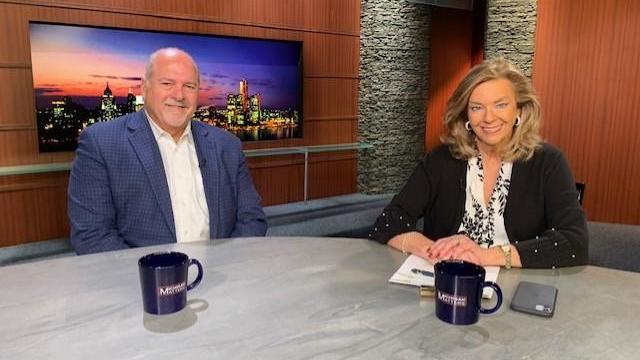
Riney, who has spent his 46-year career at Henry Ford Health, was named one of Modern Healthcare's 100 Most Influential People.
On March 13, 2023, AJ and Lindsay Rowe woke up at 3 a.m. to realize their home was filled with flames and smoke. The couple began the frantic search for six of their seven children who were home and called 911.
Smooth-sailing weather today through the weekend. Meteorologist Kylee Miller has your weekend outlook.
Ahead of the unofficial cannabis holiday "4/20," Jerry Millen of Greenhouse in Walled Lake shares more on the change in cannabis consumption.
We're celebrating Foodie Friday with J. Alexander's, which has locations in Livonia, Troy and West Bloomfield.
Former WWE and WCW superstars Steve Luther Wilson, Tonga ʻUliʻuli Fifita and “Glacier” Ray Lloyd talk about their new movie "The Unbreakable Bunch" and the film's showing at the Emagine Canton this weekend.